From the blog
How to Maintain Results Between Med Spa Treatments
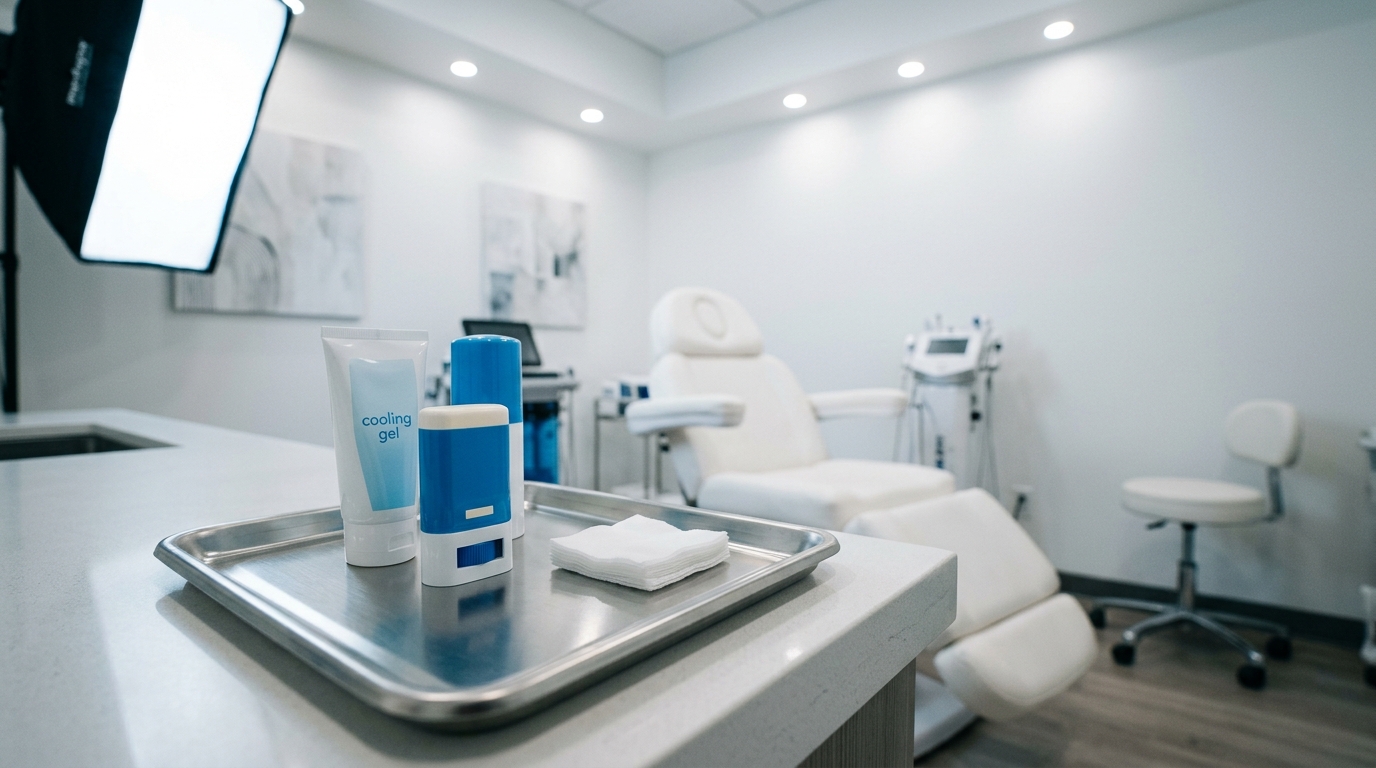
The most effective way to maintain med spa results between appointments is a consistent at-home routine built around sun protection, targeted skincare, hydration, and lifestyle habits that support - rather than undermine - your in-office treatments. What you do in the 4–12 weeks between sessions determines up to 70% of your long-term outcome.
You invested real money and time into your last laser resurfacing session, neurotoxin injection, or microneedling treatment. Skipping maintenance is the fastest way to watch those results fade ahead of schedule. Here's exactly how to protect them.
Why Results Fade Faster Than They Should
Most people lose ground between treatments for the same predictable reasons:
- UV exposure without SPF- UV radiation is the single largest driver of collagen degradation, hyperpigmentation relapse, and premature aging. A 2024 study published in the Journal of Investigative Dermatology confirmed that unprotected sun exposure reverses laser resurfacing gains in as few as 8 weeks.
- Skipping retinoids- Retinoids accelerate cellular turnover and amplify the collagen-building effects of treatments like RF microneedling and chemical peels. Going without them means your skin reverts to its baseline renewal rate.
- Poor hydration- Treatments like Hydrafacial and microneedling temporarily compromise the skin barrier. Without consistent moisturization, transepidermal water loss spikes and results diminish faster.
- Inflammation triggers- Alcohol, processed sugar, and chronic sleep deprivation elevate cortisol and systemic inflammation, which directly competes with your skin's repair mechanisms.
The Non-Negotiable Daily Routine
1. Broad-Spectrum SPF 30+ Every Single Morning
Apply a broad-spectrum SPF 30 or higher - ideally SPF 50 - every morning, rain or shine, whether you leave the house or not. UVA rays penetrate windows and are the primary cause of photoaging and pigmentation. For anyone receiving laser treatments, IPL, or chemical peels, SPF is not optional - it is part of the treatment protocol. Mineral sunscreens containing zinc oxide at 10–20% concentration provide the most consistent protection for post-treatment skin.
2. Retinoid Use 3–5 Nights Per Week
Prescription tretinoin (0.025%–0.1%) or over-the-counter retinol (0.3%–1%) applied 3–5 nights per week maintains and extends the collagen-stimulating effects of treatments like Fraxel, RF microneedling, and chemical peels. Begin retinoid use only after your provider clears you post-treatment - typically 5–14 days after most procedures. If you experience irritation, reduce frequency before reducing concentration.
3. A Hydrating, Barrier-Focused Moisturizer
Look for moisturizers containing ceramides, hyaluronic acid, and niacinamide. These three ingredients work synergistically: ceramides rebuild the lipid barrier, hyaluronic acid binds water in the dermis, and niacinamide (at 4–10%) reduces inflammation and supports even skin tone - a direct benefit for anyone maintaining results from pigmentation treatments like IPL or clear + brilliant laser.
4. Antioxidant Serum in the Morning
A stabilized Vitamin C serum (L-ascorbic acid at 10–20%) applied every morning before sunscreen neutralizes free radicals that SPF alone cannot block. Vitamin C also inhibits melanin synthesis, which is critical for patients maintaining results from hyperpigmentation or melasma treatments. Store Vitamin C serums in a cool, dark place - oxidized serums (orange or brown in color) are ineffective.
Treatment-Specific Maintenance: What to Do After Each Procedure
Treatment Key At-Home Step When to Resume Actives Recommended Interval Botox / Dysport Avoid lying flat for 4 hours; no rubbing treatment area for 24 hours Immediately 3–4 months Dermal Fillers Arnica gel for bruising; avoid strenuous exercise 24 hours Immediately 6–18 months depending on filler type Laser Resurfacing (Fraxel, CO2) Daily SPF 50, barrier cream, strict sun avoidance 5–14 days post-treatment 4–6 weeks (fractional); 6–12 months (ablative) RF Microneedling (Morpheus8, Vivace) Retinoid after clearance; collagen-supporting supplements 7–10 days post-treatment 4–6 weeks per series Chemical Peels (VI Peel, TCA) Gentle cleanser only during peeling phase; no picking 7–14 days post-treatment 4–8 weeks Hydrafacial Hyaluronic acid serum; avoid heavy makeup 24 hours 24–48 hours MonthlyLifestyle Habits That Extend Your Results
Sleep: 7–9 Hours Is a Skin Treatment
Human growth hormone - the primary driver of nighttime cellular repair - peaks during deep sleep. Consistently sleeping fewer than 7 hours measurably elevates cortisol, breaks down collagen, and increases skin dullness. Treat sleep the same way you treat your skincare routine: non-negotiable and consistent.
Nutrition and Collagen Support
A diet high in refined sugar triggers glycation, a process that cross-links and stiffens collagen fibers - effectively undoing the collagen remodeling your RF microneedling or laser treatment just stimulated. Prioritize:
- Vitamin C-rich foods (bell peppers, citrus, kiwi) for endogenous collagen synthesis
- Omega-3 fatty acids (wild salmon, sardines, walnuts) to reduce skin inflammation
- Hydrolyzed collagen peptides (10g/day) - a 2023 meta-analysis in Nutrients found measurable improvements in skin elasticity after 8–12 weeks of daily supplementation
- Zinc and Vitamin E to support wound healing after ablative procedures
Alcohol and Smoking: The Fastest Way to Lose Results
Alcohol dilates blood vessels, depletes Vitamin A (the precursor to retinol), and increases inflammatory cytokines that degrade collagen. Smoking reduces skin oxygenation and constricts capillaries, directly impairing the fibroblast activity your treatments are designed to stimulate. Even reducing alcohol to 1–2 drinks per week produces visible skin improvements within 4–6 weeks.
Stress Management
Chronic stress elevates cortisol, which suppresses collagen production, impairs the skin barrier, and triggers inflammatory conditions like rosacea and acne - both of which compete directly with results from laser, peel, and microneedling treatments. Structured stress management (30 minutes of moderate exercise, mindfulness practices, or consistent sleep scheduling) is a legitimate part of your skin health protocol.
When to Book Your Next Appointment
Don't wait until your results have fully faded to schedule your next session. Most providers recommend booking your follow-up before you leave the office. Staying ahead of the treatment curve means smaller sessions, lower costs over time, and consistently better outcomes. For neurotoxin, that means rebooking at 3 months. For laser resurfacing, it means scheduling your follow-up or maintenance session at 6–12 months depending on depth. For monthly facials like Hydrafacial, keep a standing appointment.
Ask your provider about a personalized maintenance plan at your next appointment. The most effective med spa patients treat their schedule the same way they treat their skincare routine - consistent, proactive, and non-negotiable.
Maintain Med Spa Results Between Treatments FAQ
How long do med spa treatment results typically last?
Results vary by treatment type. Botox and Dysport last 3–4 months. Hyaluronic acid fillers like Juvederm last 6–18 months. Laser resurfacing results last 1–3 years with proper SPF maintenance. RF microneedling results develop over 3–6 months and can last 1–2 years with annual touch-ups. Hydrafacial results are most visible for 4–6 weeks. At-home maintenance directly extends these timelines.
Can I use retinol after every med spa treatment?
No. Retinol must be paused before and after most ablative or inflammatory treatments. After laser resurfacing or chemical peels, wait until the provider clears you - typically 7–14 days. After Botox or fillers, you can resume retinol within 24–48 hours. After RF microneedling, most providers recommend waiting 7–10 days. Always follow your specific provider's post-care instructions.
What SPF should I use after laser or peel treatments?
Use a broad-spectrum mineral SPF 50 after any laser, peel, or microneedling treatment. Mineral formulas (zinc oxide, titanium dioxide) are less likely to irritate compromised skin than chemical UV filters like avobenzone or oxybenzone. Apply every morning and reapply every 2 hours if outdoors. This is the single most important step for preventing hyperpigmentation relapse after resurfacing treatments.
Do collagen supplements actually help maintain treatment results?
The evidence supports it. A 2023 meta-analysis in Nutrients found that 10g/day of hydrolyzed collagen peptides improved skin elasticity and hydration markers after 8–12 weeks of consistent use. While supplements don't replace in-office treatments, they support the collagen remodeling those treatments initiate - making them a practical addition to any maintenance plan, particularly after RF microneedling or laser resurfacing.
How often should I get maintenance treatments to keep my results?
Frequency depends on the treatment. Hydrafacial: monthly. Botox/Dysport: every 3–4 months. Light chemical peels: every 4–8 weeks. RF microneedling (maintenance after an initial series): every 6–12 months. Fractional laser: annually. Your provider will tailor these intervals to your specific skin goals, but staying consistent with a schedule - rather than booking reactively when results fade - produces significantly better long-term outcomes.


