From the blog
The Most Popular Non-Surgical Cosmetic Treatments of 2026
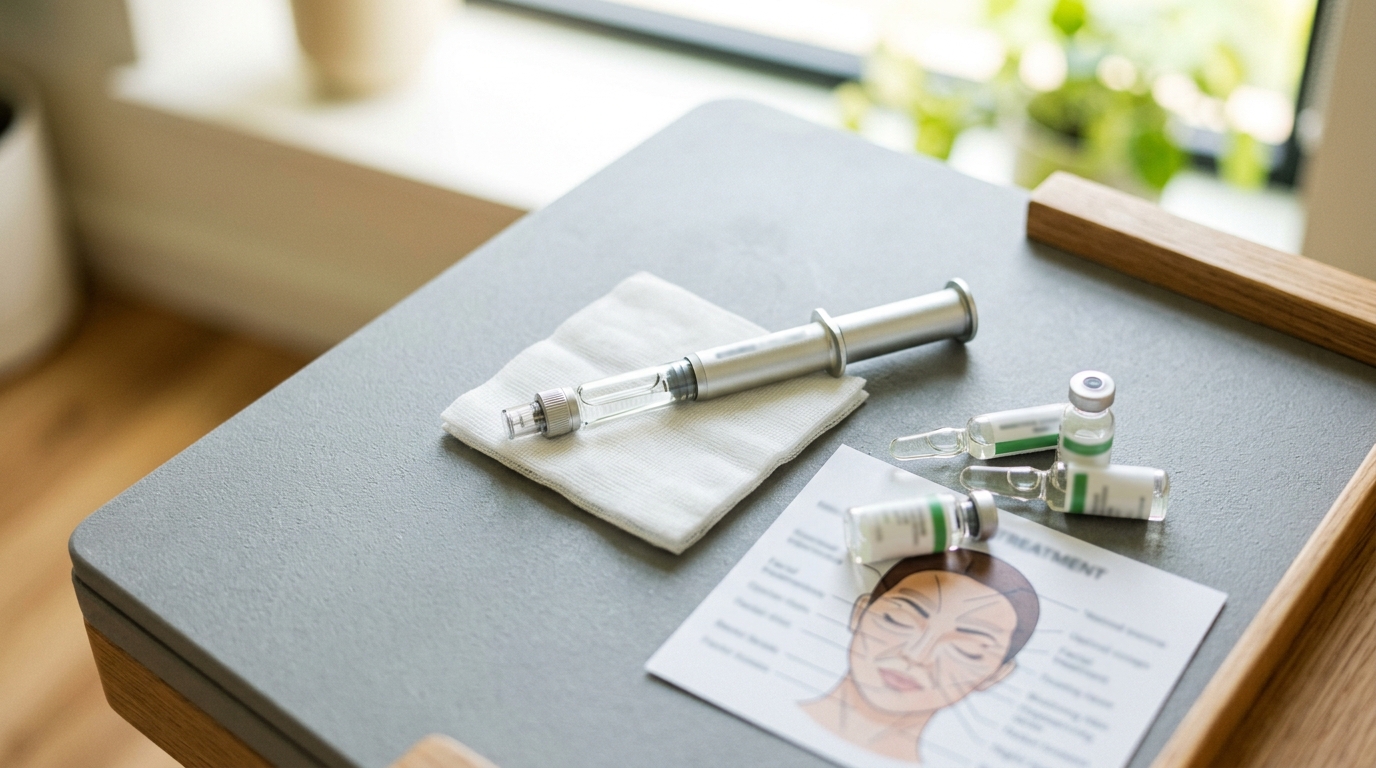
The most popular non-surgical cosmetic treatments of 2026 are neuromodulator injections (Botox, Dysport, Daxxify), hyaluronic acid dermal fillers, radiofrequency microneedling, polynucleotide (PDRN) skin boosters, and body contouring with ultrasound or cryolipolysis technology. These five categories account for the overwhelming majority of the 20+ million minimally invasive procedures performed annually in the United States alone.
Non-surgical aesthetics has moved well past the era of frozen faces and obvious "work." The industry in 2026 is defined by precision, prevention, and personalization - with patients as young as 25 starting maintenance regimens and patients in their 60s and 70s achieving results that would have required a scalpel just a decade ago. Here's a deep look at what's dominating treatment menus at medspas and dermatology clinics right now.
1. Neuromodulators: Still the Undisputed #1
Neuromodulator injections remain the single most performed cosmetic procedure globally. The core mechanism - temporarily relaxing overactive facial muscles to smooth dynamic wrinkles - hasn't changed, but the product landscape has expanded dramatically.
- Botox (onabotulinumtoxinA): The original standard, approved for cosmetic use since 2002, still holds the largest market share by name recognition.
- Dysport (abobotulinumtoxinA): Known for faster onset (2–3 days vs. 5–7 for Botox) and a slightly more diffuse spread, preferred for large forehead areas.
- Daxxify (daxibotulinumtoxinA-lanm): FDA-approved in 2022, Daxxify's peptide-based formulation delivers results lasting 6–9 months in many patients - roughly double the traditional duration - making it the fastest-growing neuromodulator brand among providers today.
- Jeuveau (prabotulinumtoxinA): Competitively priced, with a loyal following among younger, first-time patients.
Beyond wrinkle relaxation, neuromodulators are now routinely used for masseter slimming (jaw clenching reduction), hyperhidrosis (excessive sweating), lip flips, brow lifts, and neckband smoothing. The "preventative Botox" conversation - treating lines before they etch permanently into skin - has become standard patient education in most practices.
2. Dermal Fillers: Volume, Structure, and Skin Quality
Hyaluronic acid (HA) fillers are the second most performed non-surgical treatment and the most versatile. The Juvederm and Restylane product families still dominate, but the approach to filler placement has matured considerably. Over-filled, over-projected results are out. Subtle structural support and natural-looking volume restoration are in.
Key trends in filler use in 2026:
- Facial scaffolding: Providers treat the midface, temples, and jawline as structural anchors before addressing individual lines - a significant shift from the older "fill the crease" approach.
- Skin-quality fillers: Ultra-thin HA products like Juvederm Volite and Restylane Skinboosters are injected superficially across the cheeks, under-eyes, and lips for hydration and glow rather than volume - bridging the gap between filler and biostimulator.
- Biostimulators as an alternative: Sculptra (poly-L-lactic acid) and Radiesse (calcium hydroxylapatite) continue to grow because they stimulate the body's own collagen rather than adding foreign volume, making results build gradually and last 18–24 months.
3. Radiofrequency Microneedling: The Skin Tightening Standard
RF microneedling has become the dominant energy-based treatment for skin laxity, texture, scarring, and pore size. Devices like Morpheus8, Potenza, and Sylfirm X deliver radiofrequency energy through insulated microneedles directly into the dermis, triggering collagen remodeling without significant surface damage.
What makes RF microneedling particularly popular in 2026 is its effectiveness across all skin tones. Unlike older resurfacing lasers, RF energy doesn't carry the same risk of post-inflammatory hyperpigmentation in Fitzpatrick skin types IV–VI - a major clinical and inclusivity advantage that has broadened the treatment's patient base significantly.
A standard RF microneedling series is 3 sessions spaced 4–6 weeks apart, with full collagen remodeling results visible at the 3-month mark. Most patients do one maintenance session per year. The combination of RF microneedling with PRP (platelet-rich plasma) application immediately post-treatment has become a popular protocol for enhanced healing and results.
4. Polynucleotide (PDRN) Skin Boosters: The Biggest Growth Story
If one treatment category defines the aesthetic momentum of 2026, it's polynucleotide injections - also marketed under the PDRN (polydeoxyribonucleotide) label. Originally developed in South Korea and Italy for wound healing and tissue repair, PDRN injectables like Rejuran and Nucleofill have become mainstream across Europe and North America after receiving significant regulatory clearance and clinical backing.
PDRN works by stimulating A2A adenosine receptors in skin tissue, accelerating cellular regeneration, reducing inflammation, and boosting collagen synthesis at a biological level - not just filling space like traditional HA. The results include improved skin elasticity, reduction in fine lines, and an overall "healthier" skin quality that patients and providers describe as distinct from any filler outcome.
Treatment typically involves a series of 4 sessions spaced 2 weeks apart, with maintenance every 3–6 months. Because polynucleotides are biocompatible and biodegradable, adverse event profiles are minimal, which has helped accelerate adoption among both cautious practitioners and first-time cosmetic patients.
5. Non-Surgical Body Contouring
Body contouring without surgery remains a massive and competitive category. The two dominant technologies are:
- Cryolipolysis (CoolSculpting Elite): Freezes and destroys fat cells in targeted areas. The Elite platform's dual applicators treat two areas simultaneously, reducing session time. Results develop over 8–12 weeks as the body clears destroyed fat cells. Best for patients within 20–30 lbs of their goal weight targeting specific, pinchable fat pockets.
- High-Intensity Focused Ultrasound (HIFU) and HIFEM: Devices like Emsculpt Neo combine radiofrequency fat reduction with high-intensity focused electromagnetic (HIFEM) muscle stimulation in a single treatment. A 2024 clinical review found patients averaged 30% fat reduction and 25% muscle volume increase in treated areas after a 4-session protocol.
Importantly, providers in 2026 are increasingly transparent that body contouring devices are best understood as "refinement" tools, not weight-loss solutions. Patient education at the consultation stage has dramatically improved outcomes and satisfaction rates.
Non-Surgical Treatments Compared: Quick Reference
Treatment Primary Concern Duration of Results Downtime Neuromodulators (Daxxify) Dynamic wrinkles, jaw, brows 6–9 months None HA Dermal Fillers Volume loss, structure, lips 9–18 months 1–3 days (bruising) RF Microneedling (Morpheus8) Laxity, texture, scarring 12–18 months 3–5 days PDRN / Polynucleotides Skin quality, regeneration 3–6 months per maintenance Minimal (pinpoint marks) Emsculpt Neo / CoolSculpting Fat pockets, muscle tone Long-term with lifestyle maintenance None to minimalWhat's Driving the Boom in 2026?
Three forces are accelerating the non-surgical aesthetics market simultaneously. First, technology has genuinely caught up with surgery for many concerns - skin tightening, volume restoration, and texture improvement that once required a surgeon can now be addressed in a lunch-hour appointment. Second, cultural normalization means patients discuss their treatments openly, driving referrals and reducing the stigma that historically suppressed demand. Third, AI-assisted consultation tools now allow providers to simulate treatment outcomes with photo-realistic accuracy, improving patient confidence and consent quality before the first needle is placed.
The patients walking into medspas and dermatology clinics in 2026 are more informed, more results-focused, and more loyal to providers who treat them as collaborators in their own care. That shift has raised the bar for everyone in the industry - and the treatments topping the popularity charts are the ones that deliver consistent, natural, evidence-backed results.
What is the most popular non-surgical cosmetic treatment in 2026?
Neuromodulator injections - including Botox, Dysport, and the longer-lasting Daxxify - remain the single most performed non-surgical cosmetic treatment globally in 2026, with tens of millions of sessions administered annually. Their combination of proven safety record, minimal downtime, and predictable results keeps them at the top of every treatment menu.
How long do non-surgical cosmetic treatments last?
Duration varies significantly by treatment type. Standard neuromodulators last 3–4 months; Daxxify lasts 6–9 months. Hyaluronic acid fillers last 9–18 months depending on the product and placement area. RF microneedling results last 12–18 months per series. Polynucleotide skin boosters are maintained every 3–6 months. Body contouring fat reduction is permanent for destroyed fat cells, but new fat gain can occur without lifestyle maintenance.
What is a polynucleotide skin booster and is it safe?
Polynucleotide (PDRN) skin boosters are injectable treatments derived from purified salmon or trout DNA that stimulate cellular regeneration and collagen production through A2A adenosine receptor activation. They are biocompatible, biodegradable, and backed by substantial European and Asian clinical data. Their adverse event profile is minimal - primarily temporary redness or micro-bruising at injection sites - making them one of the safer injectable options currently available.
Are non-surgical treatments suitable for all skin tones?
Most injectable treatments (neuromodulators, fillers, PDRN) are equally effective and safe across all skin tones. Energy-based treatments vary: RF microneedling is well-tolerated across Fitzpatrick skin types I–VI because the energy is delivered below the skin surface. Ablative lasers and some light-based devices carry higher risk of post-inflammatory hyperpigmentation for darker skin tones and require careful provider selection and device calibration.
At what age should someone start non-surgical cosmetic treatments?
There is no universal "right age," but preventative neuromodulator treatment is commonly initiated in the mid-to-late 20s to slow the formation of permanent dynamic wrinkles. Skin-quality treatments like PDRN boosters and RF microneedling are appropriate from the late 20s onward as collagen production naturally begins to decline. Volume replacement with fillers or biostimulators is typically most relevant from the mid-30s onward. Any intervention should be based on individual anatomy and goals, assessed by a qualified medical provider.


