From the blog
What to Expect at Your First Med Spa Consultation
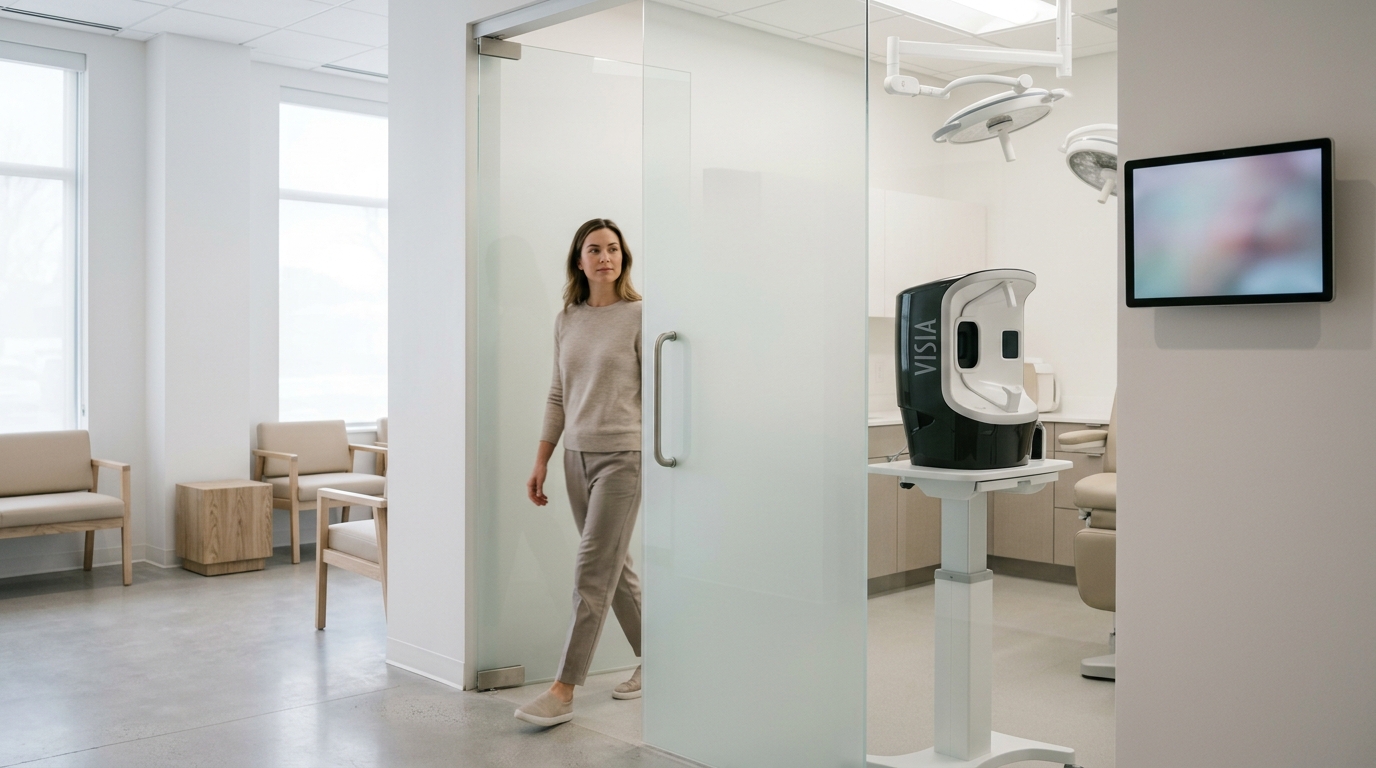
Your first med spa consultation is a structured, one-on-one appointment where a licensed medical professional reviews your skin concerns, health history, and aesthetic goals - then recommends a personalized treatment plan. It is not a sales pitch, and you are not expected to book anything on the spot.
Knowing exactly what happens during that first appointment removes the anxiety and lets you focus on getting real answers. Here is a precise, step-by-step breakdown of what a professional med spa consultation looks like in 2026.
Before You Arrive: What to Prepare
A productive consultation starts before you walk through the door. Do these five things in advance:
- List your current medications and supplements. Retinoids, blood thinners, fish oil, and certain antidepressants all affect treatment eligibility and healing timelines.
- Note your skin or body concerns in plain language. "My jawline looks heavier than it did three years ago" is more useful than trying to name a specific procedure.
- Bring photos if you have them. Before-and-after photos you admire help your provider understand the aesthetic direction you prefer.
- Skip heavy makeup. Providers need to see your actual skin texture, tone, and dynamic movement.
- Write down your questions. It is easy to forget things once you are in the room.
Step 1: Intake Forms and Medical History Review
You will fill out a detailed intake form - either digitally before arrival or on paper in the waiting area. This form covers:
- Current medications, including supplements and hormonal therapies
- Allergies (especially to lidocaine, adhesives, or latex)
- Pregnancy or breastfeeding status
- History of cold sores, autoimmune conditions, or keloid scarring
- Previous aesthetic treatments and outcomes
- Smoking history and sun exposure habits
This is not bureaucratic filler. Many popular treatments - including neurotoxins, chemical peels, and laser procedures - have absolute contraindications that a good provider will catch at this stage.
Step 2: The Face-to-Face Assessment
A licensed medical professional - typically a nurse practitioner, physician assistant, registered nurse, or physician - will examine your skin and facial or body structure in person. In many practices, this includes a digital skin analysis using devices that capture UV damage, pore size, hydration levels, and pigmentation depth that is invisible to the naked eye.
During this assessment, the provider will:
- Evaluate your skin type using the Fitzpatrick scale (I–VI), which directly determines laser settings and chemical peel strength
- Assess facial volume loss, muscle movement, and skin laxity
- Examine texture concerns such as acne scarring, sun damage, or rosacea
- Note asymmetries - natural ones that existed before any treatment
A skilled provider treats this assessment as diagnostic, not cosmetic. They are building a clinical picture before recommending anything.
Step 3: Goal-Setting and Honest Expectation Management
This is the most important part of the consultation. Your provider will ask you to describe what you want to change, then will reflect back what is realistically achievable - and what is not.
Expect direct answers to questions like:
- "Will one session of this treatment be enough, or is this a series?"
- "How long does the result last before I need a repeat treatment?"
- "What is the downtime, and what will I look like during recovery?"
- "Are there risks specific to my skin tone or health history?"
A trustworthy med spa will tell you when a treatment is not right for you - and will offer an alternative or refer you to a dermatologist or plastic surgeon when the concern falls outside their scope.
Step 4: Treatment Recommendations and Plan Options
Based on the assessment and your goals, the provider will outline a recommended plan. This often includes a comparison of treatment pathways.
Concern Entry-Level Option Advanced Option Key Difference Fine lines and dynamic wrinkles Neurotoxin (Botox, Dysport, Daxxify) Neurotoxin + dermal filler Filler adds volume; neurotoxin relaxes muscle Uneven skin tone and texture Chemical peel (VI Peel, ZO 3-Step) Fractional laser resurfacing Laser penetrates deeper; more downtime Stubborn body fat CoolSculpting (cryolipolysis) Emsculpt NEO (RF + HIFEM) Emsculpt also builds muscle; CoolSculpting targets fat only Skin laxity Radiofrequency microneedling Ultherapy or Morpheus8 Depth of energy delivery and collagen remodeling timeline Acne and active breakouts HydraFacial + blue light IPL photofacial series IPL targets sebaceous gland activity at a deeper levelThe provider should explain why they are recommending each option - not just what it is. If you hear a recommendation without a clinical rationale, ask for one.
Step 5: Pricing, Packages, and Next Steps
After the clinical conversation, a patient coordinator or the provider will walk you through pricing. Med spa treatment costs vary widely based on geography, provider credentials, and the specific technology used. Expect to receive a written quote before anything is agreed upon.
Many practices offer:
- Package pricing for multi-session treatments (laser hair removal, body contouring, skin rejuvenation series)
- Membership plans that bundle monthly treatments at a reduced per-session rate
- Loyalty or referral credits applied to future visits
You are never obligated to book at the consultation. A reputable med spa will give you time to think, ask follow-up questions via email or phone, and schedule when you are ready.
Red Flags to Watch for During a Consultation
Not every med spa operates at the same standard. Leave - or ask hard questions - if you encounter any of these warning signs:
- The provider skips the health history intake entirely
- You are shown a price sheet before anyone examines your skin
- The provider guarantees dramatic results in a single session
- No one explains downtime, risks, or contraindications
- The consultation lasts under 10 minutes
- Staff cannot answer who performs the injections or treatments (RN, NP, PA, or MD)
What Happens After the Consultation
If you decide to move forward, most treatments can be scheduled at a separate appointment. Some low-risk treatments - like a HydraFacial or a small neurotoxin treatment- can often be performed the same day if the provider determines you are a suitable candidate and you have not used retinoids or blood thinners recently.
Your provider should give you pre-treatment instructions in writing before your next appointment. These instructions protect your results and your safety - follow them precisely.
Med Spa Consultation FAQ
How long does a first med spa consultation typically last?
A thorough first consultation runs 30 to 60 minutes. Practices that rush through in under 15 minutes are skipping steps that matter for your safety and results. Budget at least an hour for your first visit so you have time to ask every question you have prepared.
Is the consultation free, or do med spas charge a fee?
Policies vary. Many med spas offer complimentary consultations, while others charge a consultation fee of $25 to $150 that is typically credited toward your first treatment. Always confirm this when you book so there are no surprises at checkout.
Do I have to book a treatment at the consultation?
No. You are not obligated to commit to anything during your first visit. A reputable provider wants you to feel informed and confident before spending money or undergoing a procedure. Take the time you need, review any written materials they provide, and book when you are ready.
What credentials should the person performing my consultation have?
At minimum, your treatment provider should be a licensed medical professional - a registered nurse (RN), nurse practitioner (NP), physician assistant (PA), or physician (MD/DO). In many states, the medical director of the practice must be a physician who oversees all injectable and laser treatments. Ask directly who will be performing your treatment and what their specific training and certifications are.
Can I bring someone with me to the consultation?
Yes, and it is often a good idea. A trusted friend or family member can help you remember information, ask questions you might not think of in the moment, and offer a perspective on your goals. Let the front desk know in advance that you plan to bring a guest so the consultation room is arranged accordingly.


